composite

bonding

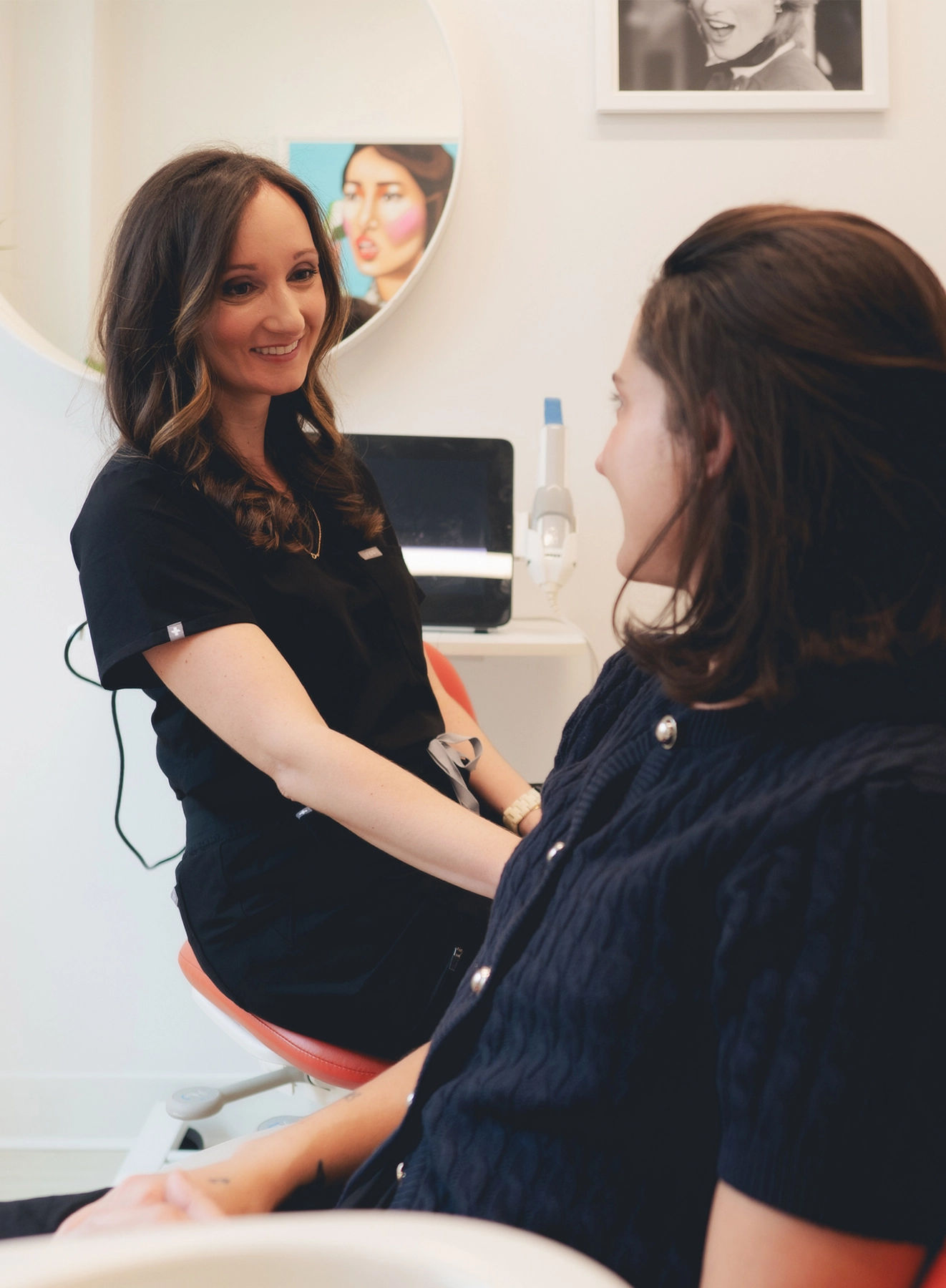
Photo of a patient getting her photo taken

Composite Bonding in Brooklyn, NY

A better smile,
one visit.

Composite bonding is one of the most versatile and minimally invasive ways to transform a smile — no drilling, no removal of healthy enamel, no waiting weeks for a lab. Dr. Lilya sculpts tooth-colored resin directly onto your teeth, correcting chips, gaps, shape, and color in a single appointment.

One of only three AACD-accredited dentists in NYC
NYU-trained · Kois Center graduate

What is Composite Bonding?

Artistry applied directly
to your tooth

Composite bonding — sometimes called dental bonding or cosmetic bonding — is a freehand sculpting technique where Dr. Lilya applies a translucent, tooth-colored resin directly to your tooth surface and shapes it by hand. No molds sent to a lab, no temporary restorations to wear for two weeks. The result is visible the same day.

Because it requires no removal of healthy enamel, bonding is one of the most conservative cosmetic procedures available. It is also fully reversible — if you later want to upgrade to porcelain veneers, that door remains open.

Dr. Lilya is one of only three AACD-accredited cosmetic dentists in New York City — and the only female dentist in New York State to hold this credential.

1

One visit

From consultation to finished smile, composite bonding is typically complete in a single appointment — no lab wait, no temporaries.
2

Enamel-safe

No drilling or removal of healthy tooth structure. The composite bonds to your existing enamel, leaving the tooth intact and fully reversible.
3

Hand-sculpted

Dr. Lilya shapes each tooth individually — no two smiles are identical. The result looks natural because it's designed around your face.

The Experience

Calm, unhurried,
precise.

Our Williamsburg studio is designed to feel like the opposite of a dental office. Every appointment with Dr. Lilya starts with a conversation — about your goals, your concerns, and what's actually possible.

Is it Right for You?

What composite bonding can address

Bonding is remarkably versatile. If any of the following describe your smile, a consultation with Dr. Lilya will tell you whether bonding is the right path — or whether a different approach would serve you better.

Chipped or cracked front teeth
Uneven or misshapen teeth
Post-Invisalign finishing
Gaps or spacing between teeth
Exposed root surfaces
Smile balancing after whitening
Staining that whitening can't fix
Refreshing old composite or fillings
Worn or shortened teeth
Minor alignment improvements

Every technique — regardless of what it is called — can be performed minimally invasively. The procedure does not require removal of enamel. What separates outcomes is not the name a practice assigns to it but the dentist's education, material choices, and hand skill.

AACD accreditation is one of the few credentials that specifically evaluates the quality of direct composite work through peer review of real clinical cases. It does not evaluate marketing language.

Photo of a man smiling with headphones on

Your Doctor

Why the dentist's skill is everything in composite bonding

Composite bonding is one of the few dental procedures where the outcome depends almost entirely on the dentist's hand skill. Unlike porcelain, which is made in a laboratory, composite is sculpted freehand, chairside, in a single session. The quality of your result is inseparable from the quality of the person holding the instrument.Dr. Lilya Horowitz is Brooklyn's only AACD-accredited cosmetic dentist — a credential earned through peer review of real clinical cases, not paid membership. Her accreditation specifically evaluates shade layering, surface texture, and proportion: the exact skills that determine whether bonding looks restored or simply looks like yours.

  • AACD Accredited — one of ~400 worldwide
  • Only female AACD-accredited dentist in New York
  • NYU College of Dentistry graduate
  • Kois Center continuum graduate

A real patient · A complete journey

Straightening is only
the first step

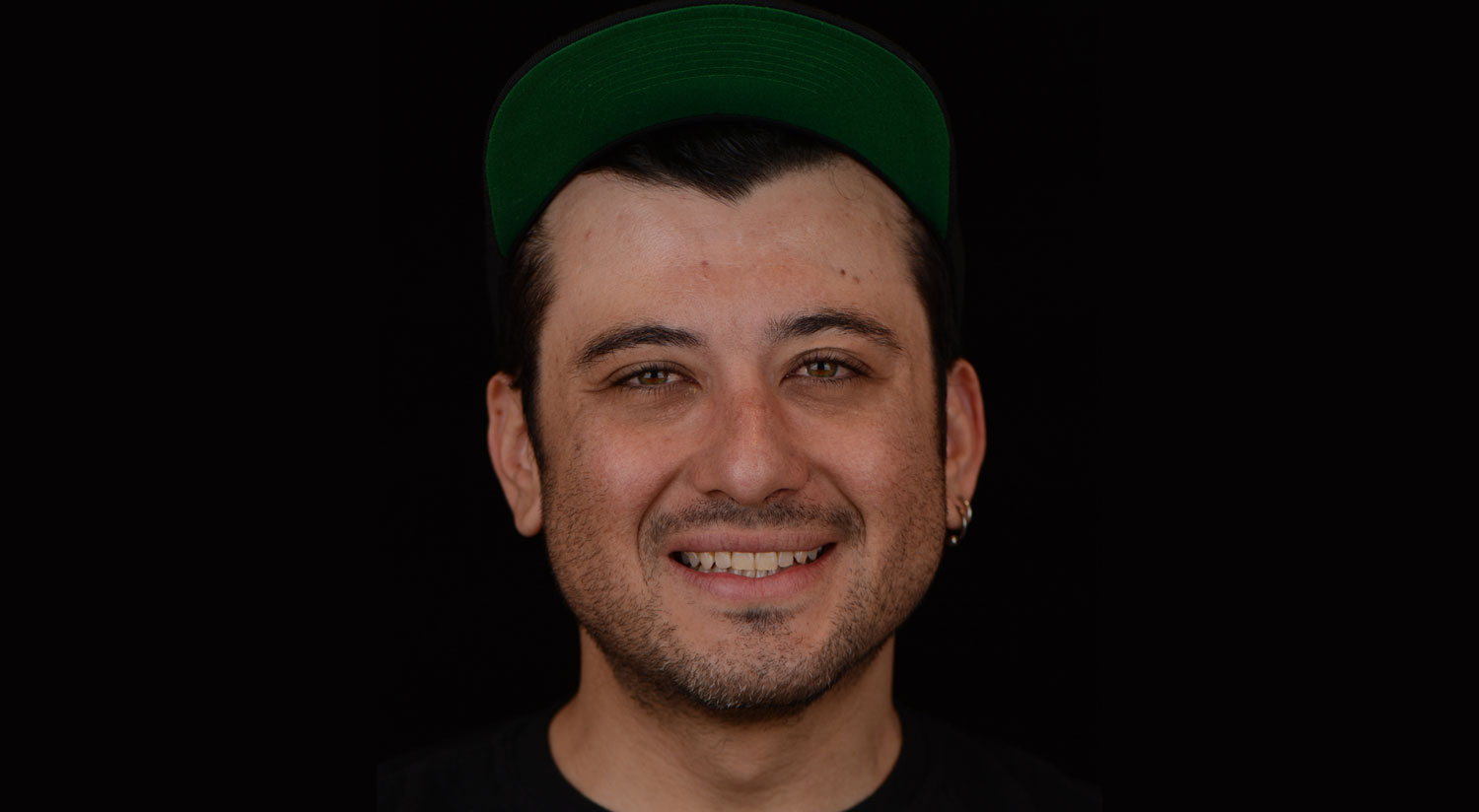
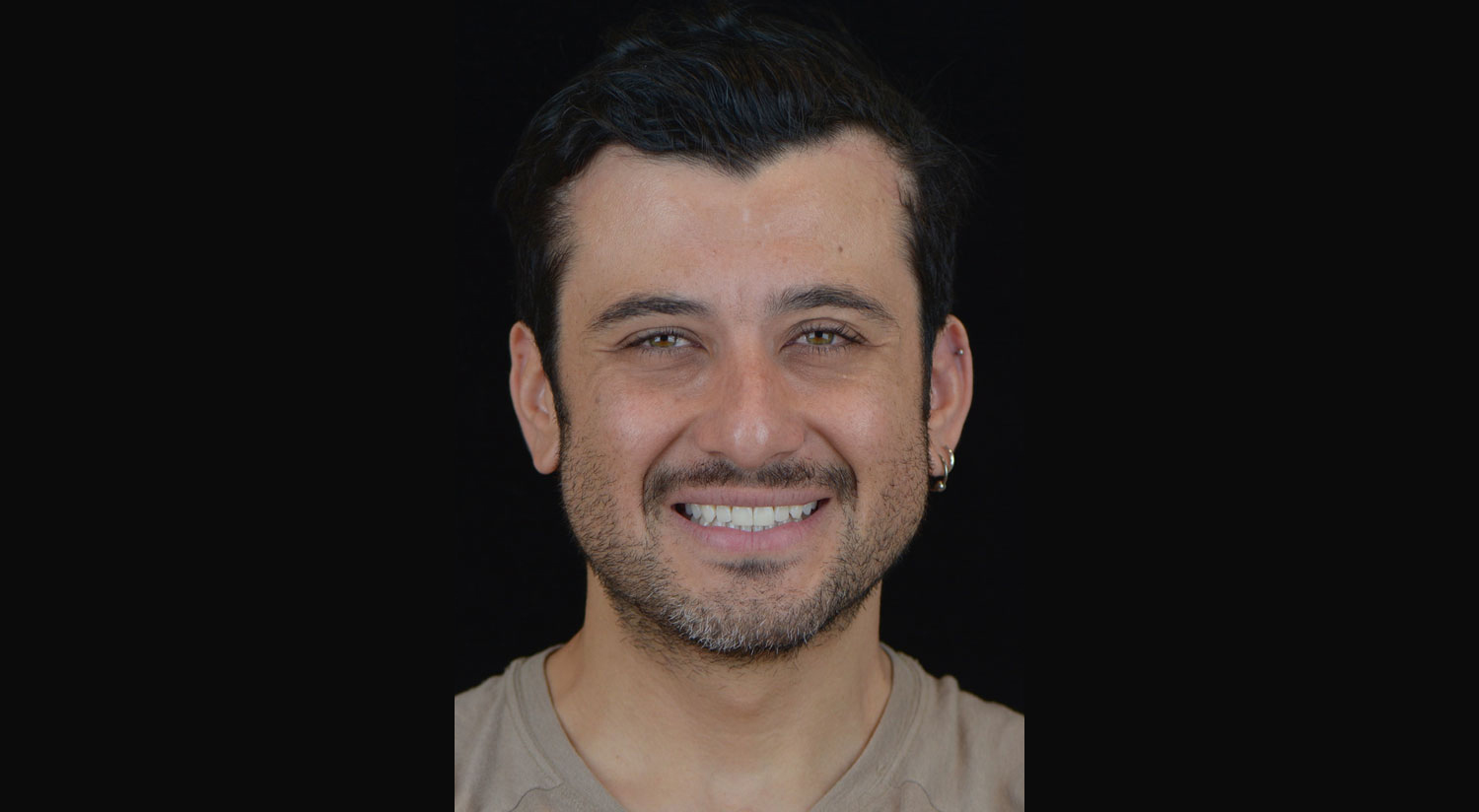
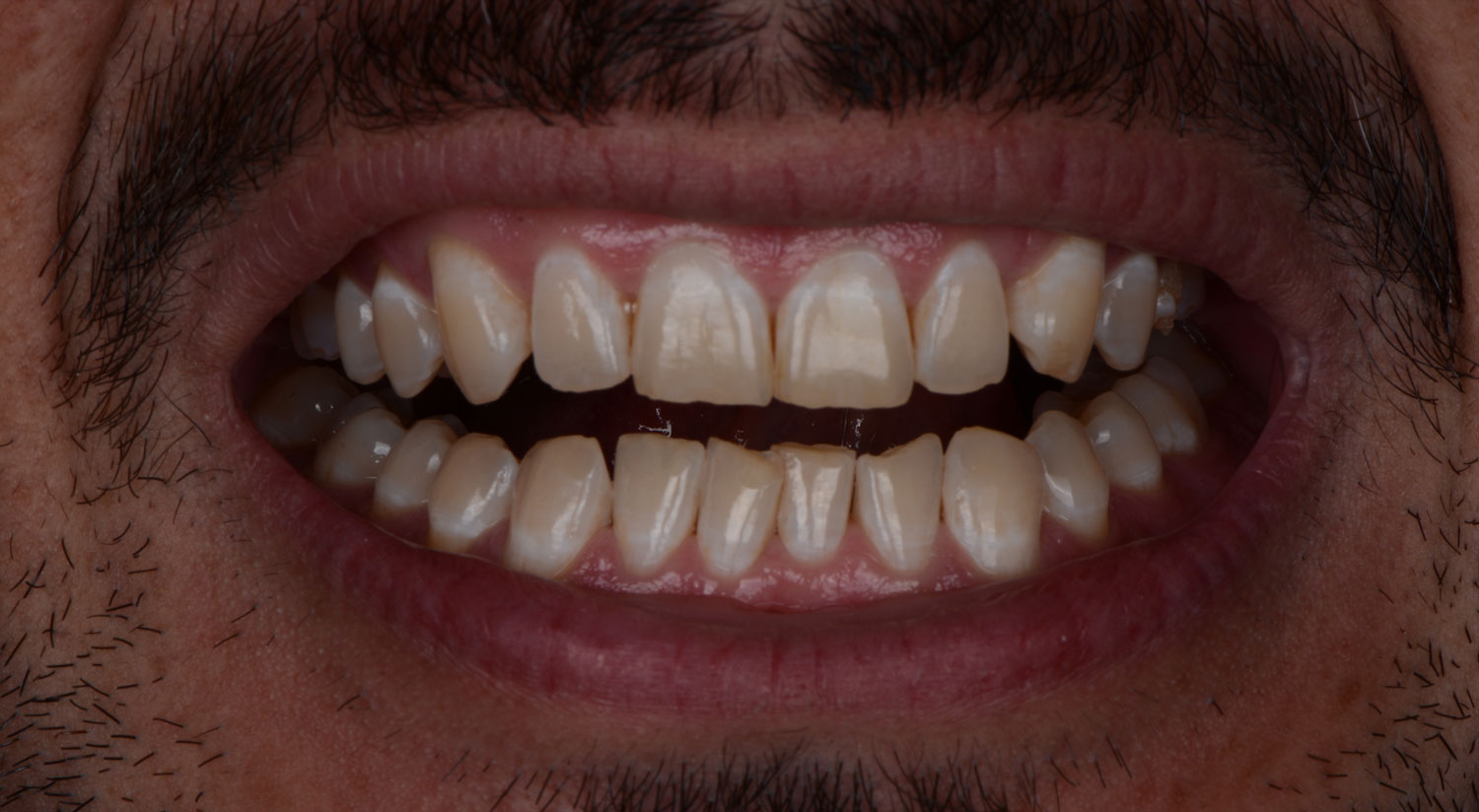
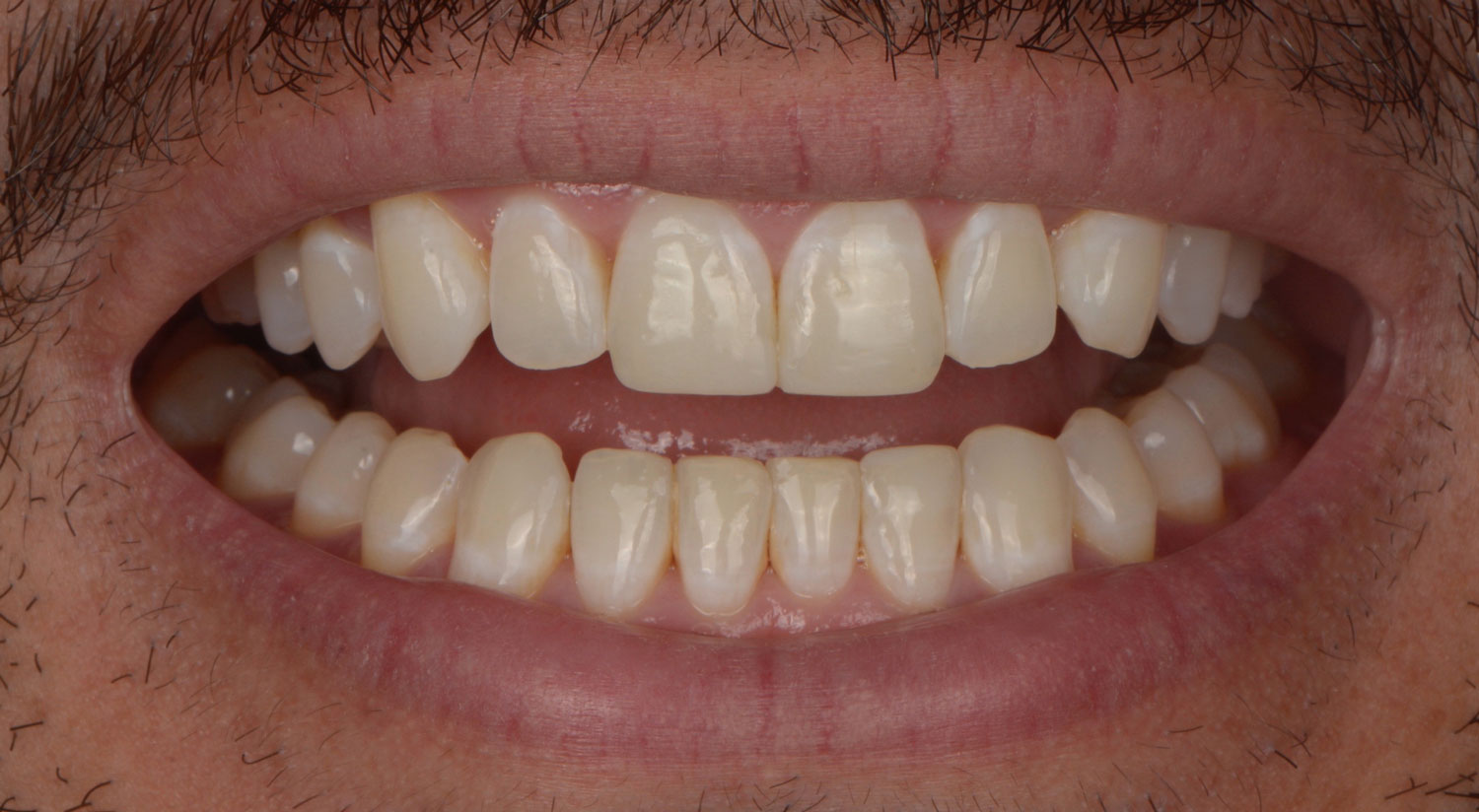
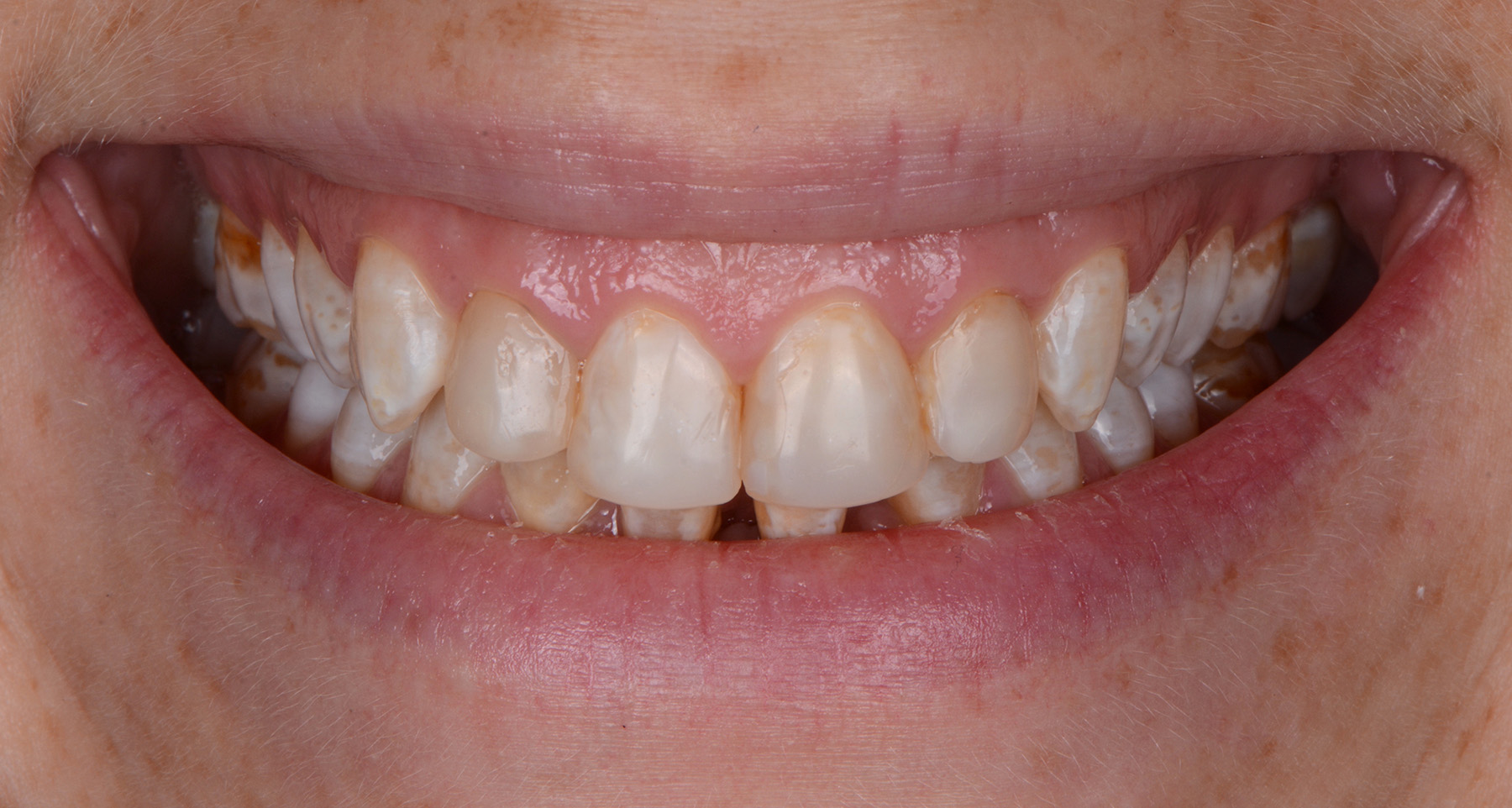
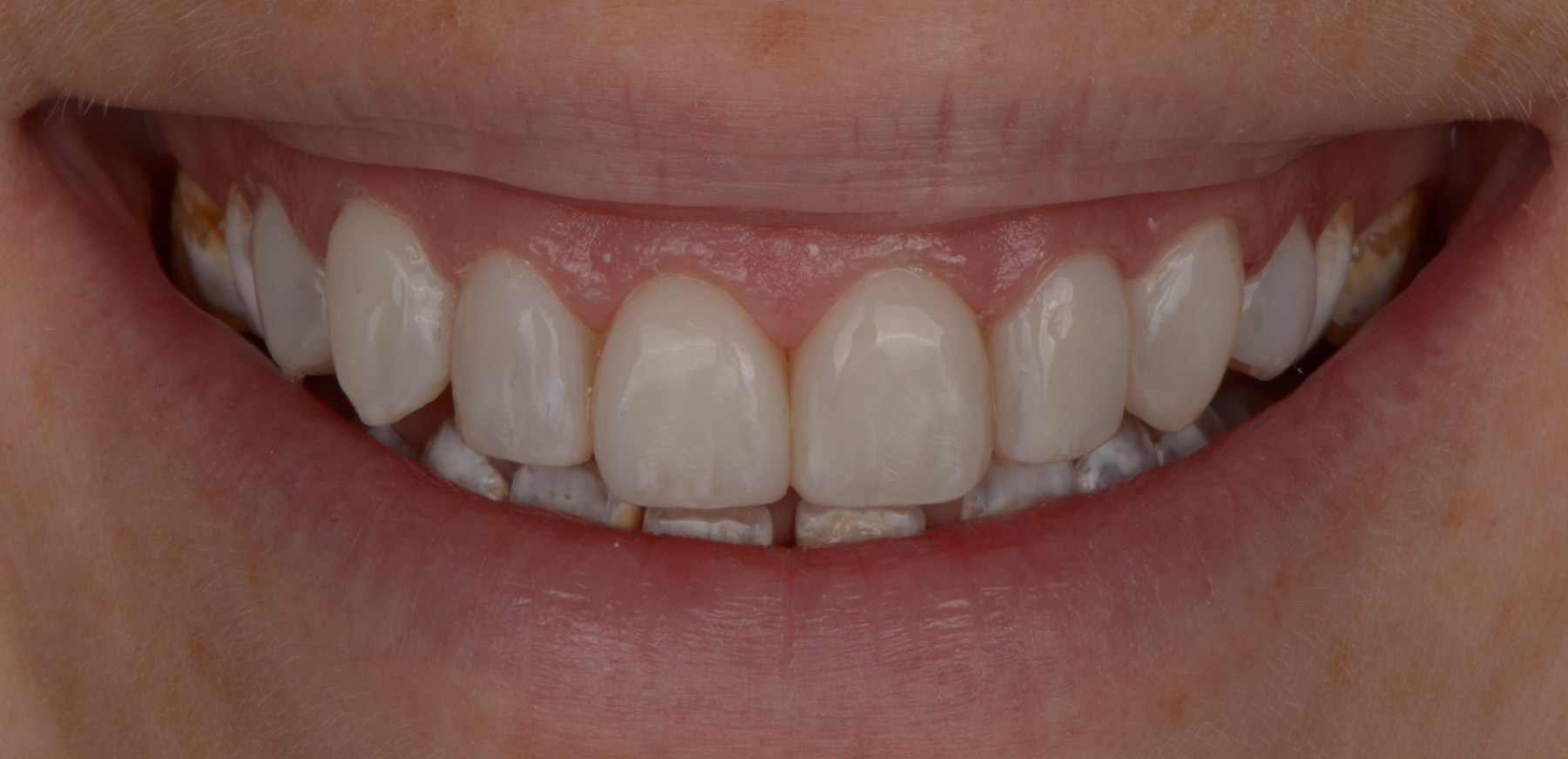
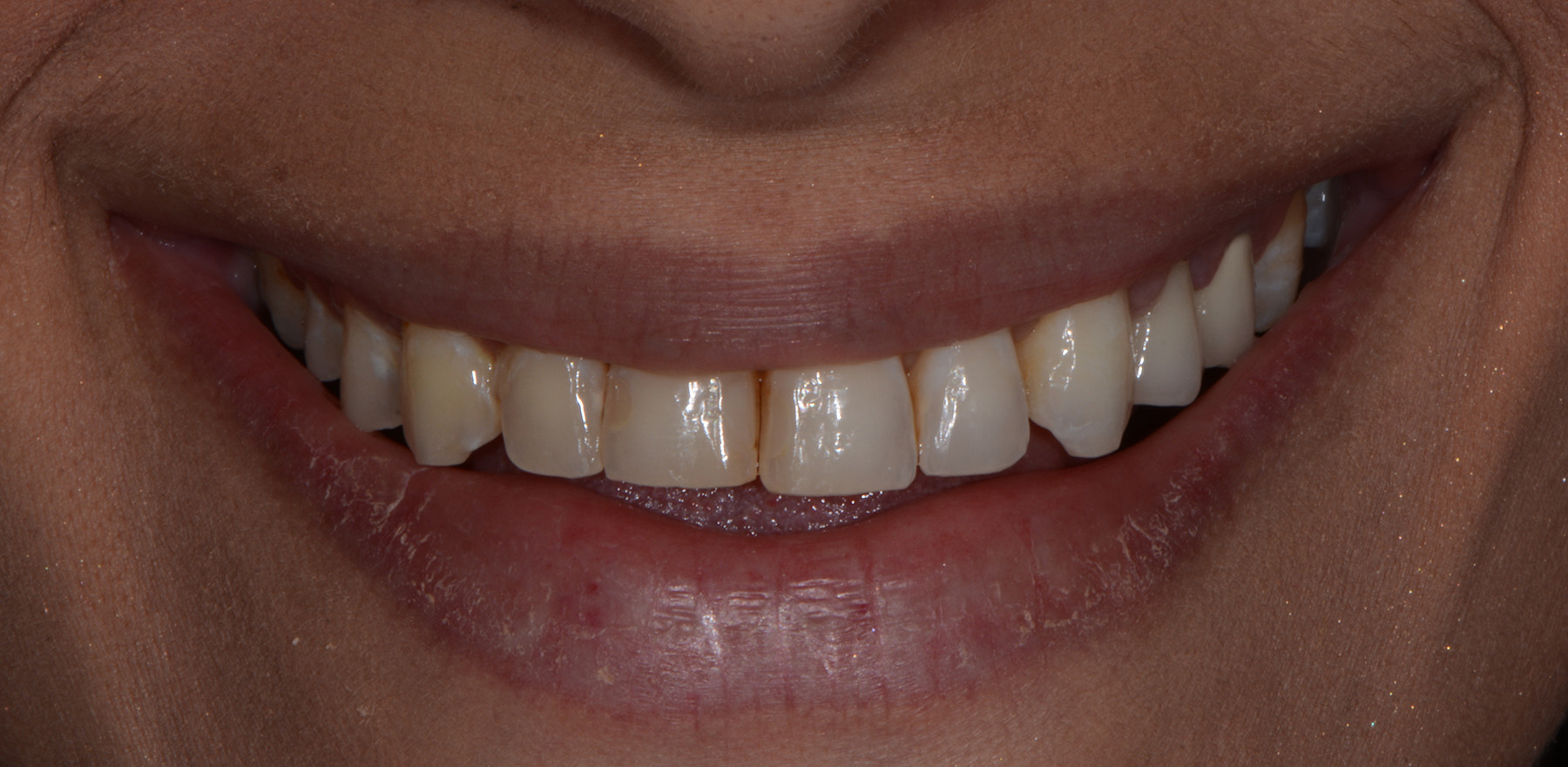
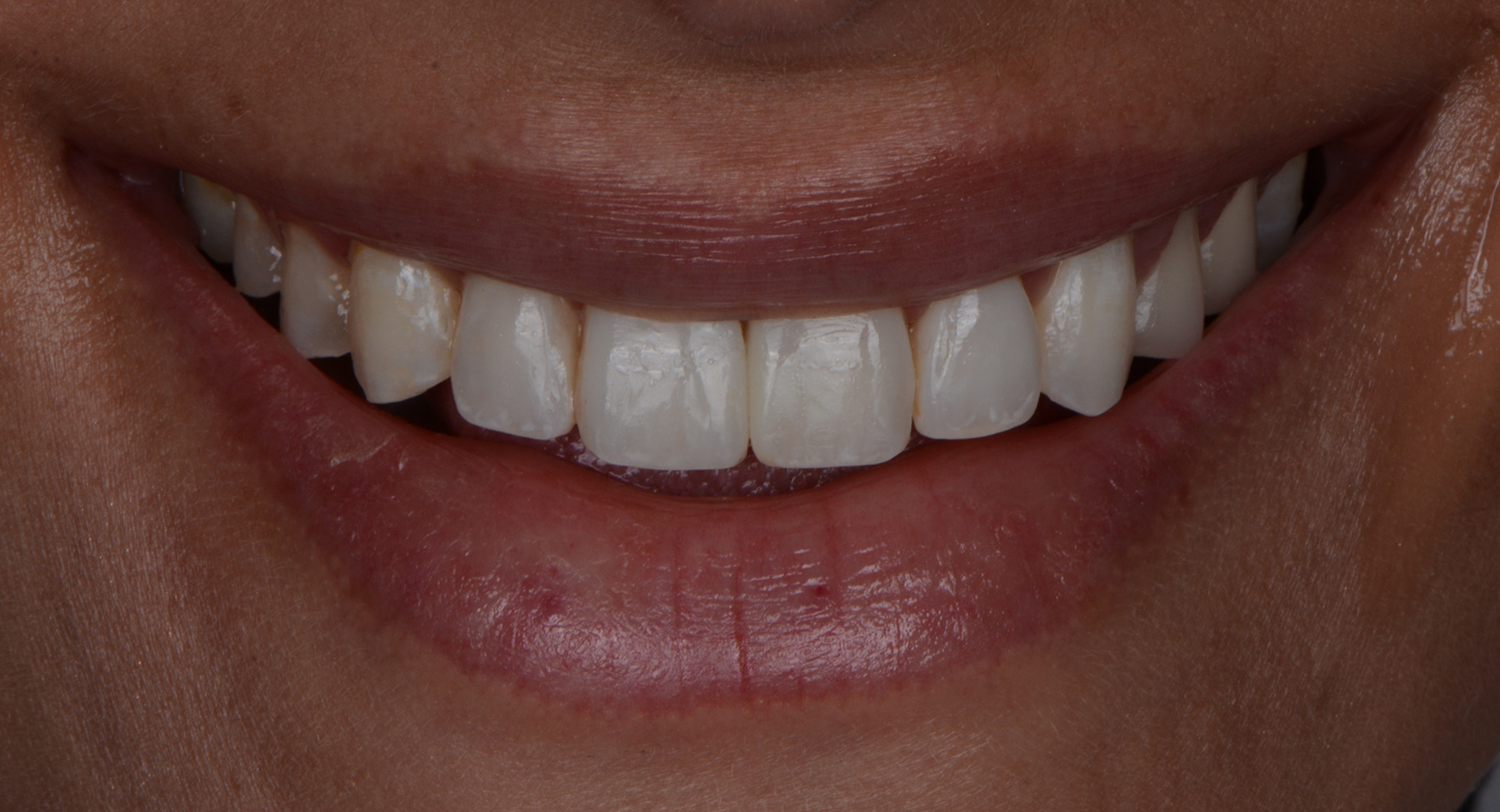
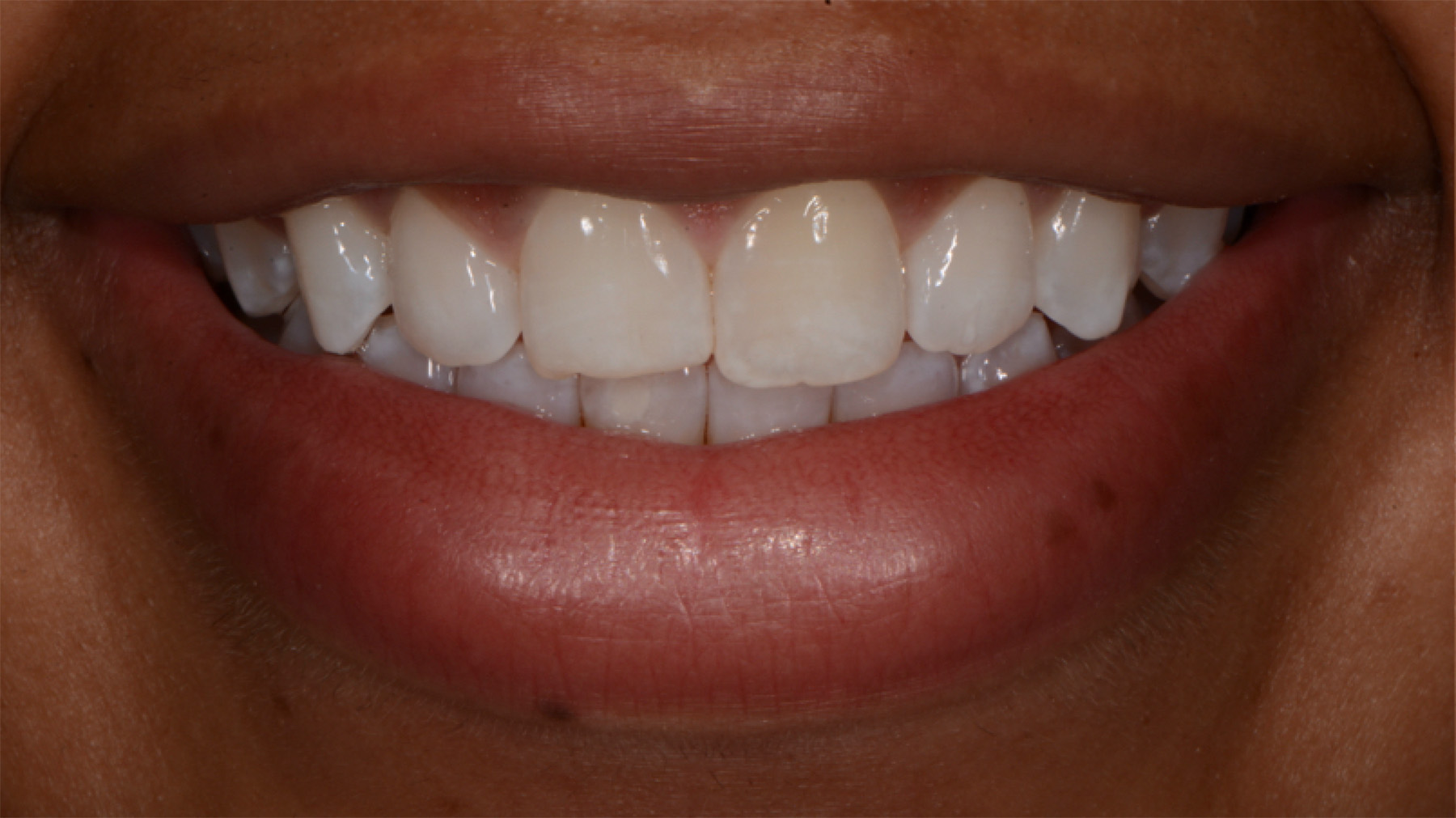
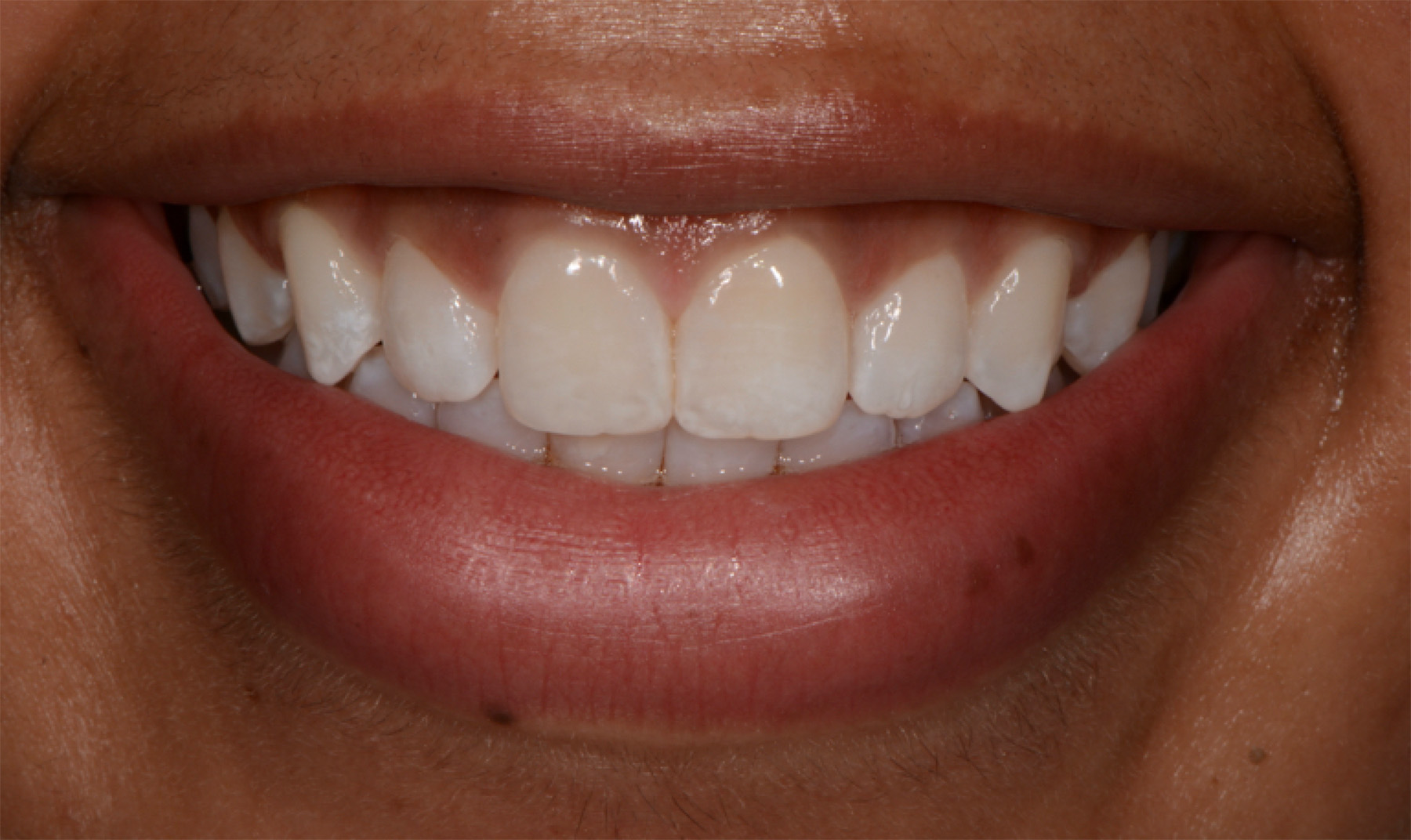
This patient came to Domino Dental with a misaligned bite that was actively causing his teeth to chip. Invisalign corrected the foundation. Then KöR deep whitening addressed years of intrinsic staining. Finally, composite bonding on both upper and lower teeth reshaped the worn edges and balanced the proportions — completing a transformation that alignment alone never could have finished.

1

Invisalign

His bite was causing his front teeth to chip against each other. Invisalign corrected the alignment first — protecting the teeth and creating the right foundation before any cosmetic work began.
2

KöR Deep Whitening

Surface whitening couldn't touch the intrinsic discoloration he had. KöR whitening reached deeper staining and established a bright new baseline — done before bonding so the composite could be matched to the final shade.
3

Composite Bonding

Dr. Lilya sculpted composite bonding across both upper and lower teeth — rebuilding worn edges, balancing proportions, and giving the smile the detail and polish that the other two steps set the stage for.

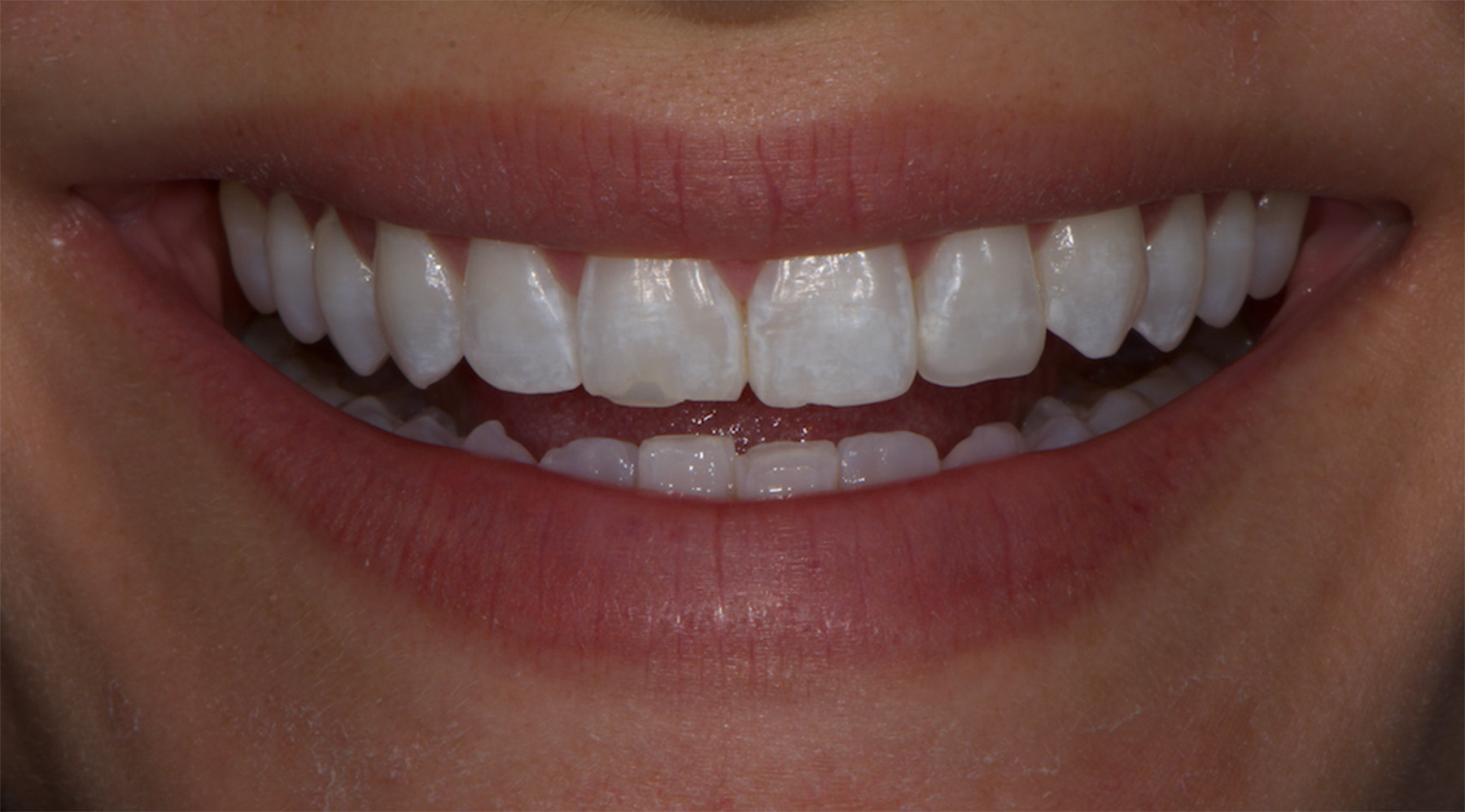
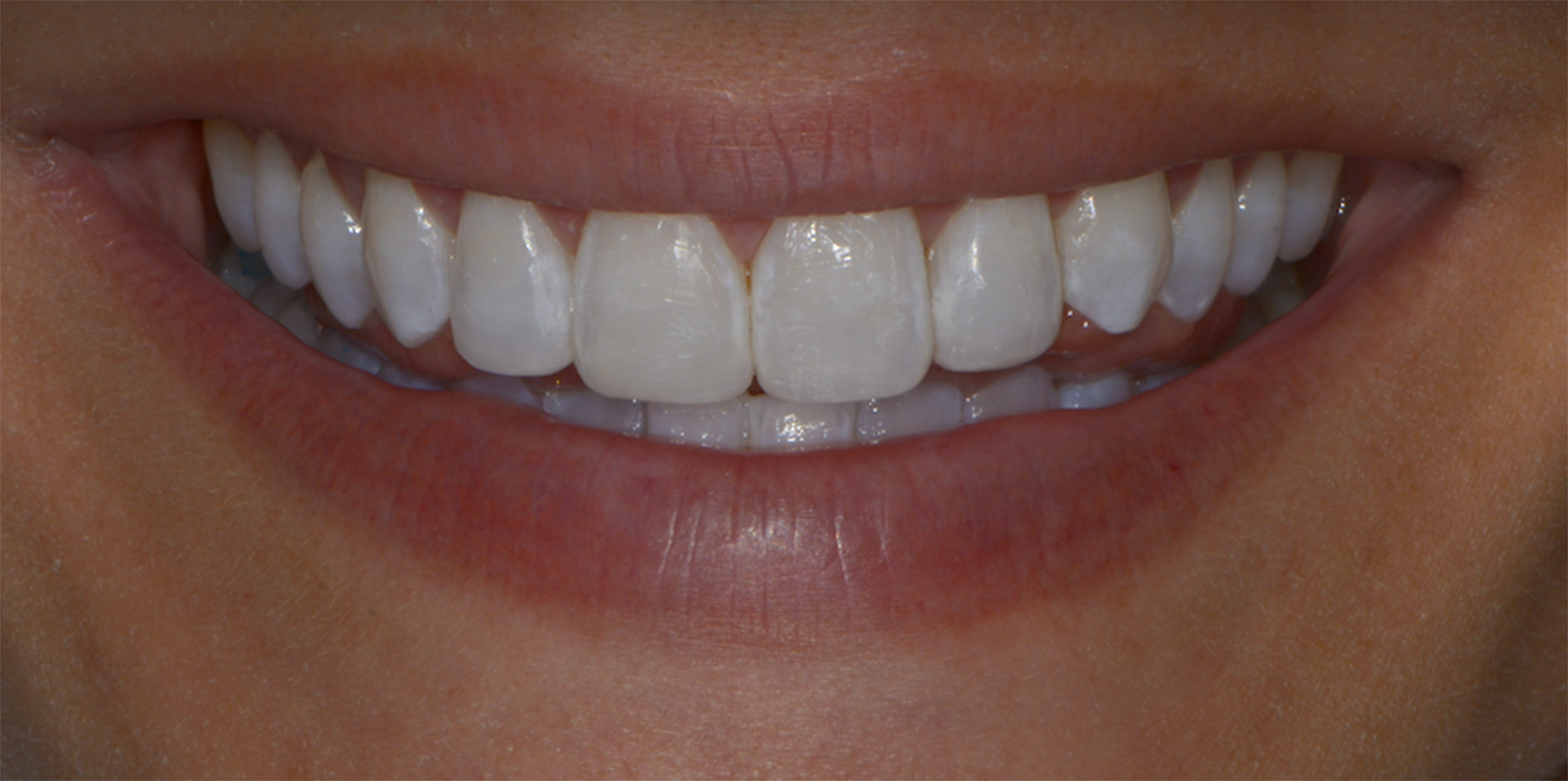
Before & After

Invisalign + KöR Whitening + Composite Bonding

Before
After
Before
After
Prevous
Next
Bite corrected with Invisalign
Deep staining removed with KöR whitening
Upper & lower bonding sculpted by Dr. Lilya
Completed in-house · No referrals needed
Zero enamel removal

Documentation you can see

Every result
photogrAPHED.

We document every case with professional photography — so you can see exactly what's possible before you decide. Our smile gallery contains real patients, real results, no filters.

Making the Right Choice

Bonding vs. veneers —
an honest comparison

Dr. Lilya's AACD training centers on recommending the most conservative option that achieves your goal. Here's how the two approaches compare.

Composite Bonding

The conservative
path

No enamel removed
Completed in one visit
Fully reversible
More affordable than porcelain
Repairable if chipped
Ideal for single teeth or finishing work

Porcelain Veneers

The comprehensive
option

— Minimal enamel preparation required
— Two+ visits plus lab time
— Not reversible once placed
— Higher investment
— More durable long-term
— Best for comprehensive smile redesigns

What to Expect

Your bonding appointment,
step by step

1

Consultation and smile design

Dr. Lilya evaluates your teeth, discusses your goals, and shows you what's achievable. Because bonding is done freehand, the consultation is where the artistry begins — you'll discuss shape, proportion, and shade together before any work starts.

2

Tooth preparation

In most bonding cases, the tooth surface is lightly etched to help the composite bond securely. Anesthesia, rubber dam placement, or gum tissue retraction may be used depending on the area being treated and what's needed to achieve a precise, clean result. Your natural tooth structure stays completely intact.

3

Sculpting and shaping

Dr. Lilya applies the composite resin in precise layers, sculpting the shape and contour by hand. The material is matched to your exact tooth color using a detailed shade selection process — then hardened with a curing light.

4

Finishing and polish

The bonded surface is refined, polished to a natural-looking sheen, and checked against your bite. You leave with your result the same day — no temporaries, no follow-up lab visits required.

A Note on Technique Names

The science is the same.
The skill is not.

You may have come across composite bonding marketed under names like "microbonding," "biobonding," "nanobonding," or "precision bonding." These are practice-specific trade names — not clinical terms, not recognized by the AACD or any credentialing body, and not found in peer-reviewed dental literature. They were created by individual practices to make a standard procedure sound proprietary.

The underlying science behind every technique is identical: composite resin — a tooth-colored, light-cured material — is bonded directly to the enamel surface using a dental adhesive system, then shaped and polished by hand. That is composite bonding. The name on the tin does not change what is in it.

What actually varies between practitioners

Composite material quality

A combination of microfill and nanohybrid composites maintains color stability and polish longevity far longer than standard materials — producing results that genuinely look like enamel rather than plastic.

Layering technique

Skilled dentists build composite in thin, translucent layers that mimic how natural enamel and dentin interact with light. A single opaque application never achieves this.

Adhesive protocol

The choice of etch technique and bonding agent affects long-term durability. These are clinical decisions that vary with training and philosophy — not marketing names.

Finishing and polish

Surface texture is what determines whether a bonded tooth catches light like a living tooth or a plastic patch. This is pure skill, time, and attention — and it shows.

Every technique — regardless of what it is called — can be performed minimally invasively. The procedure does not require removal of enamel. What separates outcomes is not the name a practice assigns to it but the dentist's education, material choices, and hand skill.

AACD accreditation is one of the few credentials that specifically evaluates the quality of direct composite work through peer review of real clinical cases. It does not evaluate marketing language.

Common Questions

What patients ask most

How long does composite bonding last?

With good care, composite bonding typically lasts 5–10 years. It can dull slightly over time and may need polishing or minor touch-ups — but it's also easy to repair if chipped, which porcelain is not. Avoiding biting directly into very hard foods (ice, hard candy) extends its lifespan considerably.

Is bonding the same as composite veneers?

They use the same material and approach, but the scope differs. Composite bonding typically addresses a specific concern — a chip, a gap, one or two teeth. Composite veneers usually involve sculpting across multiple front teeth to redesign the whole smile. Dr. Lilya offers both, and the right choice depends on how much of your smile you want to address.

Will it look natural?

In skilled hands, composite bonding is virtually undetectable. The material is translucent and layered to match the light-handling properties of your natural enamel. Dr. Lilya's AACD accreditation specifically tests mastery of shade matching, proportion, and surface texture — the elements that make a result look real rather than restored.

Does it hurt?

Composite bonding is generally well-tolerated. Depending on the area being treated, anesthesia may be used — particularly when rubber dam placement or gum tissue retraction is needed to achieve a clean, precise result. Dr. Lilya will discuss exactly what to expect at your consultation so there are no surprises on the day.

Can I get composite bonding after Invisalign?

Yes — and it's one of the most common sequences we see. Once your teeth are in their final aligned position, Dr. Lilya can refine edges, close small residual spaces, and match any new shape to your post-whitening shade. Many patients are surprised by how much the finishing work elevates their Invisalign result.

How much does composite bonding cost in Brooklyn?

Cost depends on how many teeth are being treated and the complexity of the correction. Because bonding doesn't involve lab fees, it's typically more affordable than porcelain alternatives. We'll give you a clear, detailed estimate at your consultation — no surprises.

Results · Domino Dental

Before & after

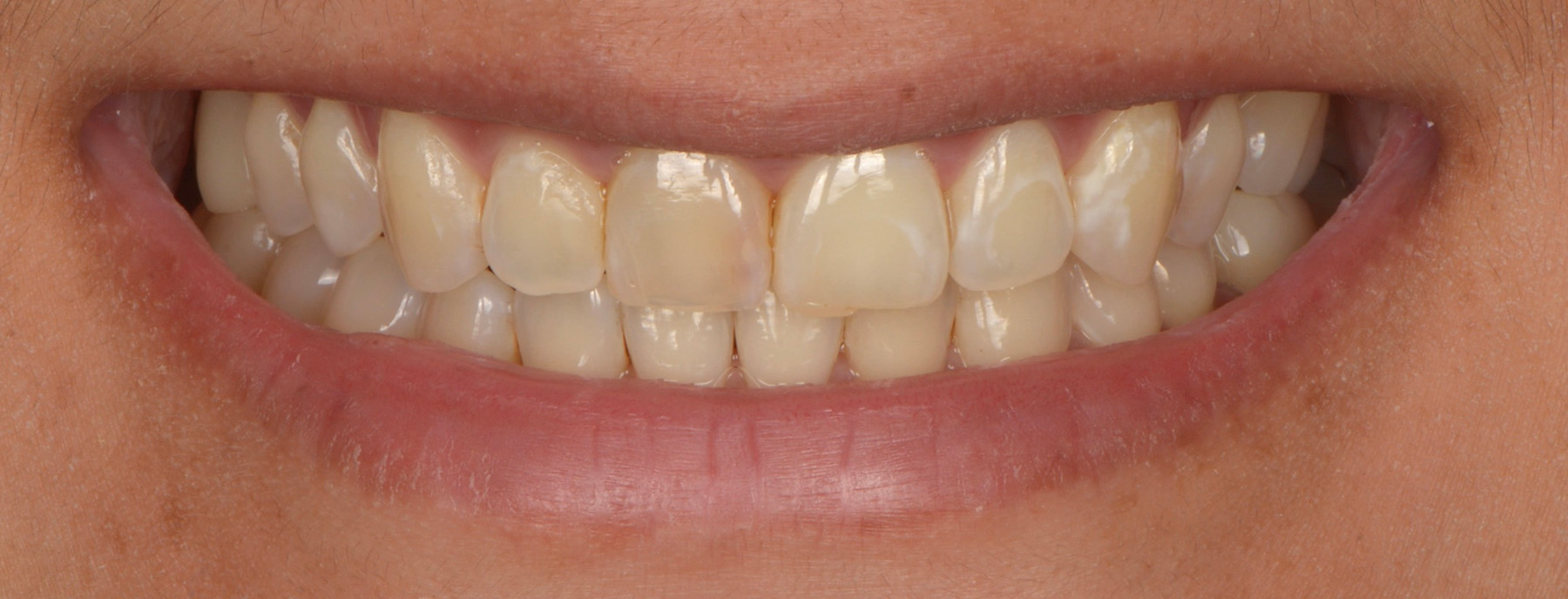
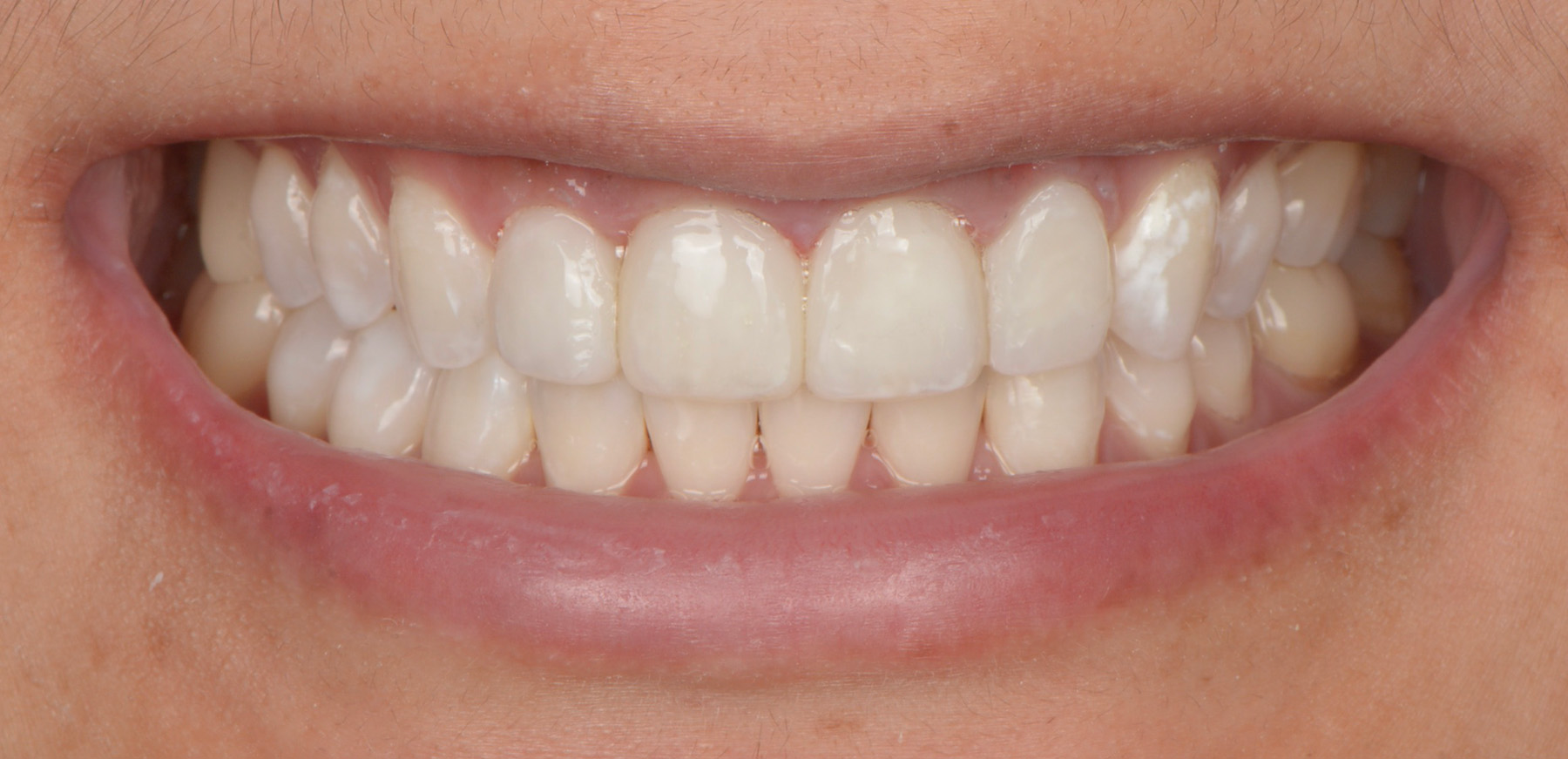
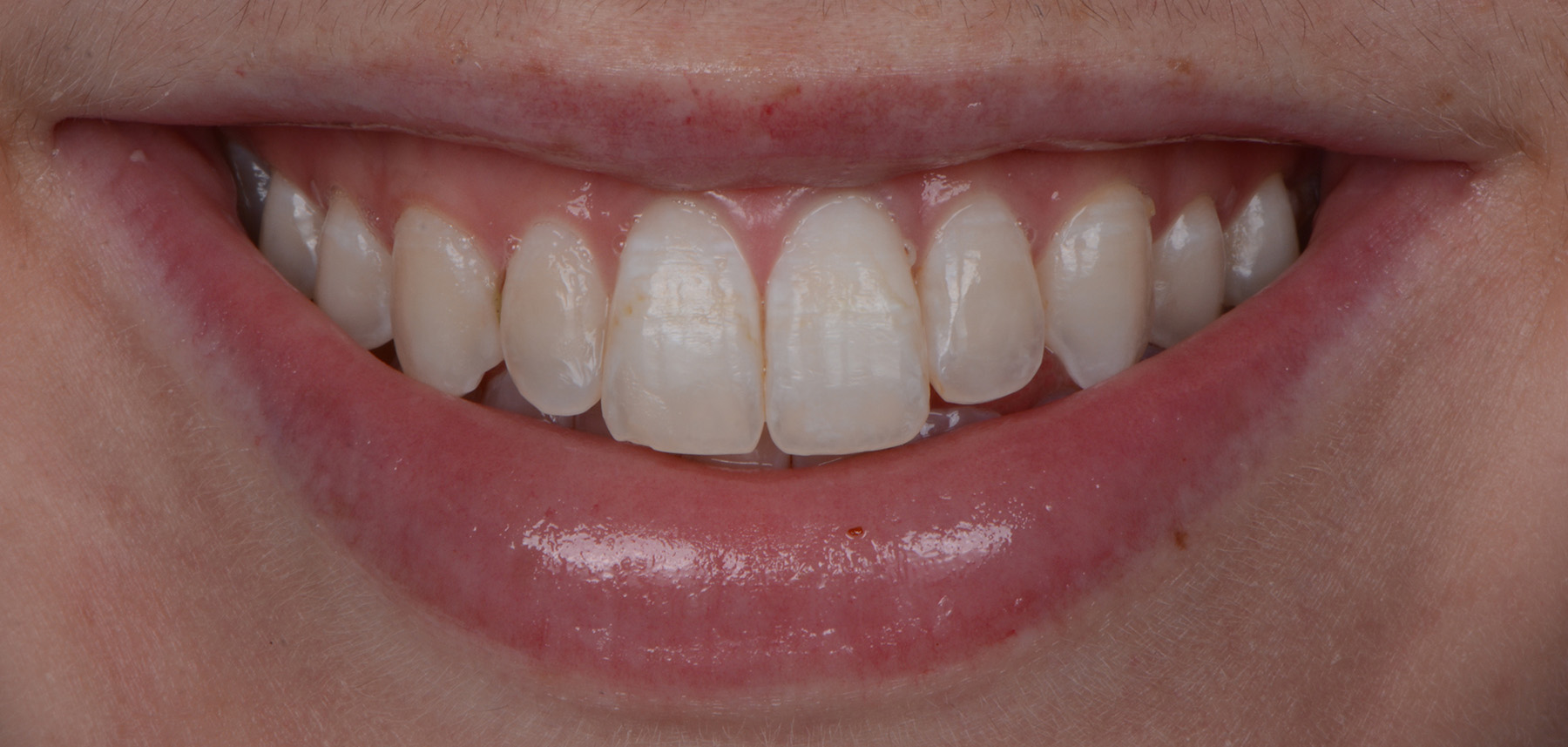
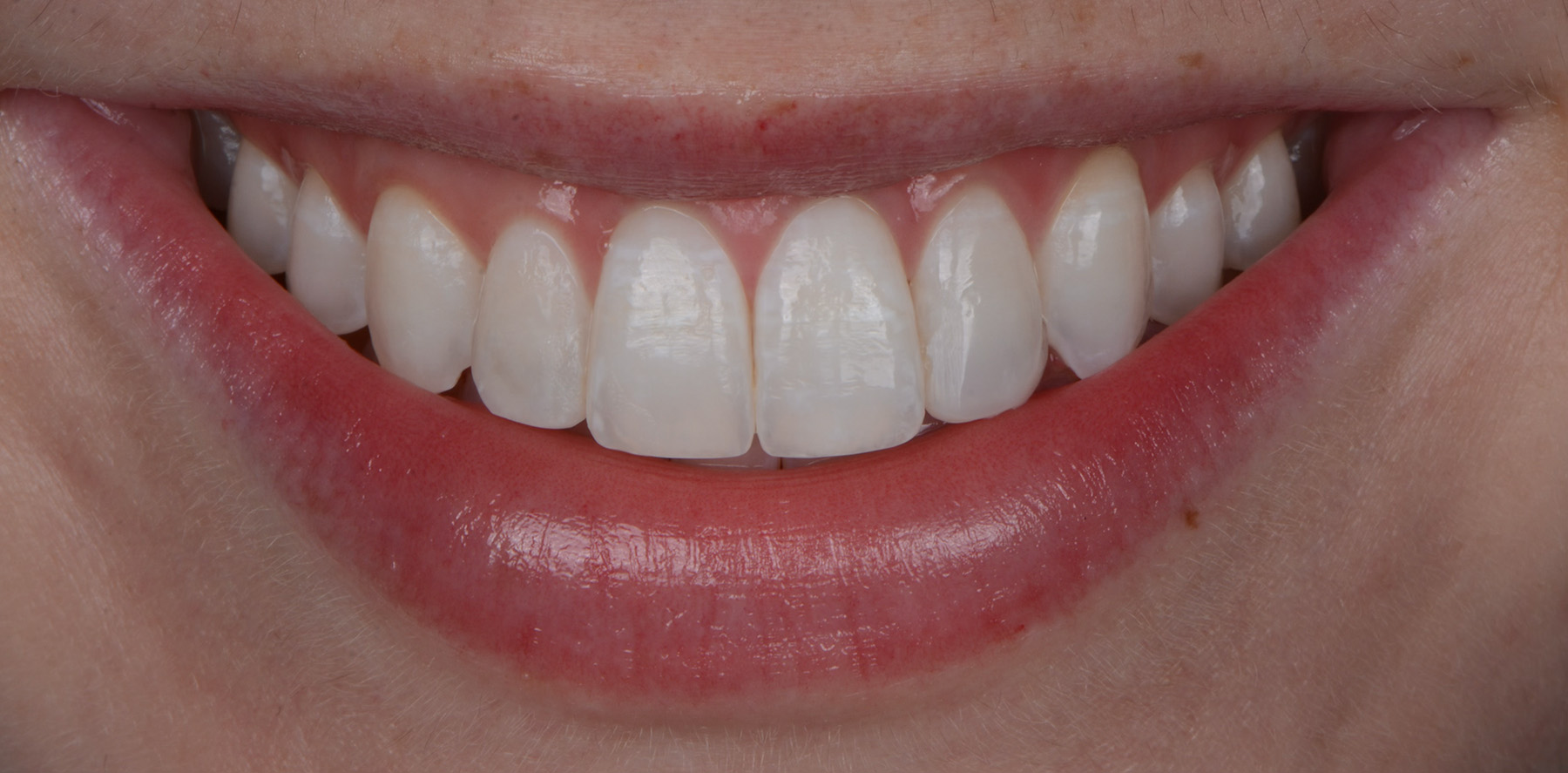
Every case shown is a real Domino Dental patient. No filters, no stock photography — just the work.

Before
After
Before
After
Before
After
Before
After
Before
After
Prevous
Next
Photo of a patient getting her photo taken

The Practice

121 South 4th St · Williamsburg

Every result professionally photographed

Williamsburg, Brooklyn

Dr. Lilya Horowitz · AACD Accredited

Composite Bonding in New York City —
Why the Dentist's Skill Matters

Composite bonding is one of the few dental procedures where the outcome depends almost entirely on the dentist's hand skill rather than a laboratory. Unlike porcelain restorations — which are made outside the mouth by a ceramicist and delivered ready-made — composite bonding is sculpted freehand, chairside, in a single session. This makes the clinician's artistic training the deciding factor in your result.

At Domino Dental in Williamsburg, Brooklyn, Dr. Lilya Horowitz is one of only three AACD-accredited cosmetic dentists in all of New York City — and the only female dentist in New York State to hold this credential. AACD accreditation specifically evaluates the quality of real clinical cases, including direct composite restorations. It is not a membership you pay for; it is a credential you earn through peer review of actual patient work.

Patients searching for composite bonding in NYC will find many providers who offer the service. Fewer will find a dentist whose composite work has been reviewed and approved by the American Academy of Cosmetic Dentistry. That difference matters most in the details — the material selection, the layering technique, the surface texture — the things that determine whether a bonded tooth looks restored or simply looks like yours.

Composite bonding is also the most common finishing step after Invisalign treatment. Once teeth are aligned, bonding can refine edges, close small residual spaces, and harmonize proportions — completing the transformation that alignment alone cannot finish. When combined with KöR deep whitening, the result is a smile that is straight, bright, and beautifully proportioned.

Domino Dental is located in Williamsburg, Brooklyn — on the L train, minutes from Manhattan. Patients seeking AACD-accredited cosmetic dentistry travel to the practice from across New York City. For a cleaning, your closest dentist makes sense. For composite bonding, composite veneers, or porcelain veneers, the right dentist does.

Connect With Us

We look forward to meeting you.

Please drop us a note or schedule an appointment below.

Please do not use this form to send health information.
Thank you! Your message has been received.
We will respond as soon as possible.
Oops! Something went wrong while submitting the form.
Branding & Website By
StudioEightyeight

Book An Appointment

Have you been to Domino Dental before?

1

Complete New Patient Paperwork

Please complete your new patient forms online before scheduling your first appointment.

2

Schedule Your Appointment

If you are interested to know about your insurance coverage, please complete the new patient paperwork first and we will contact you with your coverage and help you schedule an appointment.

Please do not schedule your appointment until all paperwork is completed and your insurance coverage is provided for you (if applicable).

Please note that all new patient appointments without completed paperwork will be removed from the schedule.